
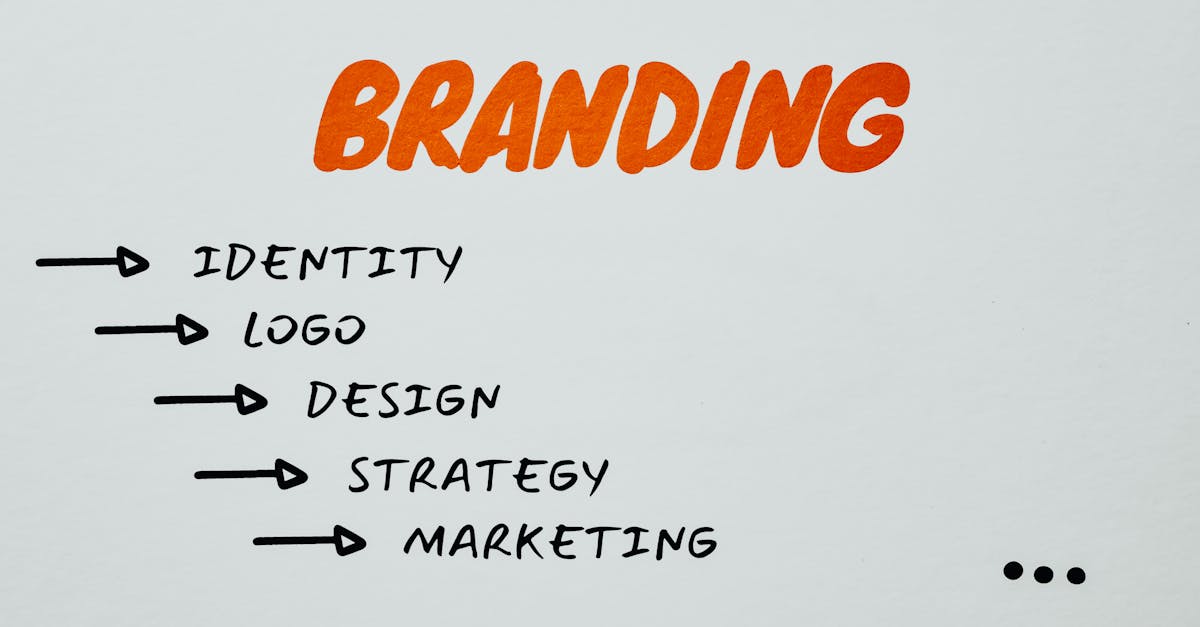
Most brands can list what they sell. Far fewer can explain why they exist, who they are for and what they stand for. That gap is what storytelling fills. A strong brand story gives people a reason to remember you, trust you and choose you over similar options. This guide explains the role storytelling plays in building a brand identity and how to create a story that works across your website, content and media appearances. Last updated: October 2026.
What is brand identity?
Brand identity is the combination of everything people see and feel when they meet your brand: your name, visuals, tone of voice, values and the promises you make. It is what makes you recognisable. Storytelling is the thread that connects those elements into something coherent and memorable.
Why storytelling strengthens a brand
- It creates emotional connection. People decide partly on feeling, and stories carry feeling in a way that feature lists do not.
- It differentiates you. Many businesses offer similar services. Your reason for existing and your way of working are harder to copy.
- It makes your message easy to repeat. A clear story is simple for customers, partners and journalists to retell.
- It builds trust. Consistent values shown through real examples signal reliability.
The building blocks of a brand story
Purpose
Why does your brand exist beyond making money? A clear purpose gives direction to everything you create.
Audience
Who are you speaking to, and what do they struggle with or hope for? Good brand stories put the audience at the centre.
Values
What principles guide how you work? Choose a few that you truly act on, because audiences notice the difference between stated values and lived ones.
Origin and journey
What led you to start, and what have you learned? Authentic details about challenges and turning points make the story human. See storytelling for entrepreneurs for a closer look at the founder’s side.
Promise
What can people expect from you every time? Your promise should be specific and deliverable.
How to put your story into practice
- Write a one-sentence version. For example: “We help [who] achieve [what] by [how].”
- Create a short and a long version. Use the short one for bios and social profiles, and the long one for your About page and interviews.
- Align your visuals and tone. Colours, images and language should match the story you tell.
- Use real examples. Show your values through decisions, behind-the-scenes moments and customer experiences.
- Repeat it everywhere. Consistency across your website, content and sales conversations is what turns a story into an identity.
How PR carries your brand story further
Once your story is clear, media outreach gives it a bigger stage. Podcast hosts and journalists look for stories with an angle, and a well-defined brand narrative makes you easier to pitch and easier to remember. Read how strategic PR builds industry leaders and how content marketing builds trust to see how these pieces connect.
A general example
Imagine a small design studio that used to describe itself as “a full-service creative agency”. After clarifying its story, it explains that it exists to help new founders look established from day one, shares how its founder once struggled with an unprofessional brand, and shows this consistently on its website, social posts and interviews. Prospects now understand quickly who the studio is for and why it cares. This is a general illustration, not a specific client case, but it shows how a clear story sharpens identity.
Common mistakes
- Telling a generic story. If it could describe any company in your industry, it will not stand out.
- Making up a story. Invented stories are risky. Use real details.
- Being inconsistent. A different message on every channel confuses people.
- Forgetting the customer. The brand story should help the audience see themselves in it.
Frequently asked questions
What is brand storytelling?
It is the practice of communicating who you are, why you exist and what you stand for through a consistent narrative, instead of only listing products or features.
Do small businesses need a brand story?
Yes. A clear story helps small businesses stand out and be remembered without large advertising budgets.
How often should I update my brand story?
Review it once or twice a year. The core purpose should stay stable, while examples and proof can be refreshed.
Final thoughts
A strong brand identity is built on a story people can understand, remember and believe. If you would like help shaping your story and sharing it through media features, explore our services or contact our team.
About the author: Alice Wayne is Chief Outreach Officer at The Stellars Agency, where she helps founders, coaches and creators turn their brand story into media features.