
Nine practical ways consultants can attract qualified clients without cold calling, from niche positioning and referrals to PR features and email.

From Invisible to Industry Leader: The Power of Strategic PR
Visibility without positioning is just noise. Plenty of talented founders, coaches and consultants post regularly, attend events and even appear in the odd feature, yet remain “one of many” in their field. Strategic PR changes that by turning scattered visibility into a clear, consistent reputation: you become the person people think of first when your topic comes up. Last updated: October 2026. What is strategic PR? Strategic PR is the planned effort to earn media coverage and build a reputation around a specific message, audience and goal. It differs from “getting press” in three ways: The industry leader formula Moving from invisible to industry leader usually comes down to three elements working together. 1. Media placements Podcasts, articles, TV segments and expert quotes give you borrowed credibility. When a trusted outlet chooses to feature you, its audience sees you as a safe choice. Read how media placements generate high-quality leads to see how this turns into enquiries. 2. Consistent messaging Every interview, post and page should reinforce the same core idea. If your message changes each time, audiences struggle to remember what you stand for. Decide on three or four talking points and return to them often. 3. Authority alignment Your website, social profiles, bio and sales conversations should all match the credibility you have earned. A great feature that leads to an outdated website wastes the moment. For the bigger picture, see why authority marketing outperforms paid ads. A step-by-step approach to getting started A general scenario Imagine a business consultant who has worked quietly with clients for years and gets most work by referral. She chooses a clear niche, prepares a media kit and appears on several podcasts that her ideal clients follow. Her website now shows those features, and her message is the same everywhere. Within months, new prospects mention hearing her interview and arrive already convinced of her expertise. This is a general illustration rather than a specific client case, but it shows how positioning plus consistent features builds authority over time. Common mistakes Frequently asked questions How is strategic PR different from social media marketing? Social media builds an audience you can talk to directly, while PR builds credibility through third parties. They work well together, as we explain in social media marketing vs PR. How long until I see results? Expect a few months of steady effort. Individual placements can bring quick responses, but recognition builds gradually. Do I need a big name to get started? No. Media hosts and editors look for clear expertise and a useful story, not fame. Final thoughts Strategic PR transforms experts into recognised authorities by combining the right placements, a consistent message and a reputation that matches the work you do. To explore how we can help, visit our services or contact our team. About the author: Alice Wayne is Chief Outreach Officer at The Stellars Agency, where she leads media outreach for founders, coaches and creators.

Storytelling for Entrepreneurs: Turn Your Journey Into Authority
Facts tell, but stories sell. Anyone can list their qualifications, yet audiences remember the founder who explains why they started, what went wrong along the way and what they learned. For entrepreneurs, your journey is your strongest source of authority: it shows why you care, how you think and why you can be trusted. This guide shows how to turn your own story into content that attracts clients and media attention. Last updated: October 2026. Why storytelling builds authority People decide whether to trust you long before they read your credentials. A good story does three things quickly: The anatomy of a strong founder story You do not need a dramatic tale. You need a clear structure. How to find your story Ask yourself a few questions and write down the answers without editing: Look for the answers that are specific and honest. Specific details feel real; generic statements feel like marketing. Where to use your story Your About page Lead with the person, then the credentials. Visitors want to know who they would be working with. Media pitches and interviews A clear story gives hosts and editors an angle. Combine it with a useful takeaway for their audience. See how strategic PR turns experts into industry leaders for how pitching works. Content and social posts Short stories about lessons learned perform well and show your thinking in action. Our guide on content marketing that builds trust covers how to plan this. Sales conversations A concise version of your story helps prospects understand your approach and why you do what you do. A general example Imagine a founder who left a corporate role to start a consultancy and nearly gave up in the first year after losing her biggest client. Instead of hiding that, she shares what she learned about relying on a single source of income and how she rebuilt with a clearer niche. Prospects who read her story recognise their own situation and trust that she understands it. A podcast host spots the angle and invites her to speak. This is a general illustration, not a specific client case, but it shows how an honest story can open doors. Mistakes to avoid For storytelling at the brand level, read the role of storytelling in building a strong brand identity. Frequently asked questions Do I need a dramatic story to build authority? No. A clear, honest account of why you do your work and what you have learned is enough. How long should my founder story be? Have three versions ready: a one-sentence summary, a short paragraph for your bio and a full version of a few minutes for interviews and your About page. Can storytelling help with PR? Yes. Hosts and journalists often choose guests because of the story as much as the expertise. Final thoughts Your journey is your greatest source of authority. Share it honestly, shape it with a clear structure and connect it to what your audience needs. If you would like help turning your story into media features, explore our services or get in touch. About the author: Alice Wayne is Chief Outreach Officer at The Stellars Agency, where she helps founders find their story and earn the media features that bring it to the right audience.

How to Build a Thought Leadership Strategy That Attracts Media Attention
Journalists, podcast hosts and event organisers do not look for the loudest voice. They look for people with a clear point of view who can explain something useful to their audience. That is what thought leadership is: becoming a trusted source on a specific topic. This guide shows founders, coaches and consultants how to build a thought leadership strategy that attracts media attention, step by step. Last updated: October 2026. What is thought leadership? Thought leadership means sharing original, useful ideas in a field you know well, consistently enough that people associate your name with that topic. It is not about being famous or posting constantly. It is about having something specific to say and saying it in the places your buyers and the media pay attention. Step 1: Define your core niche Choose one topic you want to own, narrow enough that you can be the obvious expert. “Marketing” is too broad, but “email marketing for online course creators” gives hosts and editors a clear reason to contact you. Test it with this sentence: “I help [who] achieve [what] by [how].” Step 2: Develop a clear point of view Media looks for people who take a position. List three or four beliefs about your field, especially ones that challenge common advice. For each, note why you believe it and an example that supports it. A fresh, well-argued opinion is far more quotable than a safe summary. Step 3: Publish your ideas where they can be found Turn your point of view into regular content: articles on your site, a newsletter, short videos or posts. This gives journalists and hosts something to review when they search your name. Our guide on content marketing that builds trust shows how to plan it. Step 4: Back your ideas with evidence and stories Support opinions with data, examples or lessons from your own work. When you share a story, as covered in storytelling for entrepreneurs, your ideas become more memorable and easier for the media to quote. Step 5: Make yourself easy to feature Prepare a short media kit with your bio, photo, topics you can speak on, a few quotable lines and contact details. Make it quick for someone to understand why they should invite you. Step 6: Pitch with a clear angle When you contact a host or editor, explain why your idea matters to their audience right now. Tie your expertise to a current trend, a common question or a story their listeners would care about. Keep the pitch short and specific. Step 7: Keep showing up One feature is helpful. A steady pattern of features builds recognition. Review what resonated, and repeat the topics and formats that brought the best response. For ways to track this, see how to measure PR success. A general example Imagine a financial coach who is tired of being one of many “money mindset” voices. She narrows to helping freelancers manage irregular income, shares a clear opinion against a common budgeting rule, and publishes a short article on it every two weeks. A podcast host who searches the topic finds her work and invites her on. The episode leads to more invitations. This is a general illustration, not a specific client case, but it reflects how a focused point of view attracts attention. Mistakes to avoid Frequently asked questions Do I need a big following to be a thought leader? No. A clear niche and useful ideas matter more than audience size. How long does it take to attract media attention? It depends on your niche and effort, but expect a few months of steady publishing and pitching before invitations become regular. Is thought leadership the same as PR? They support each other. Thought leadership gives you something worth featuring, and PR puts it in front of new audiences. Learn more in how strategic PR builds industry leaders. Final thoughts Thought leadership is built by choosing a focus, forming a point of view and sharing it consistently. If you would like help turning your expertise into media features, explore our services or contact our team. About the author: Alice Wayne is Chief Outreach Officer at The Stellars Agency, where she helps experts turn their ideas into media features and recognised authority.
The Psychology Behind High-Converting Marketing Campaigns
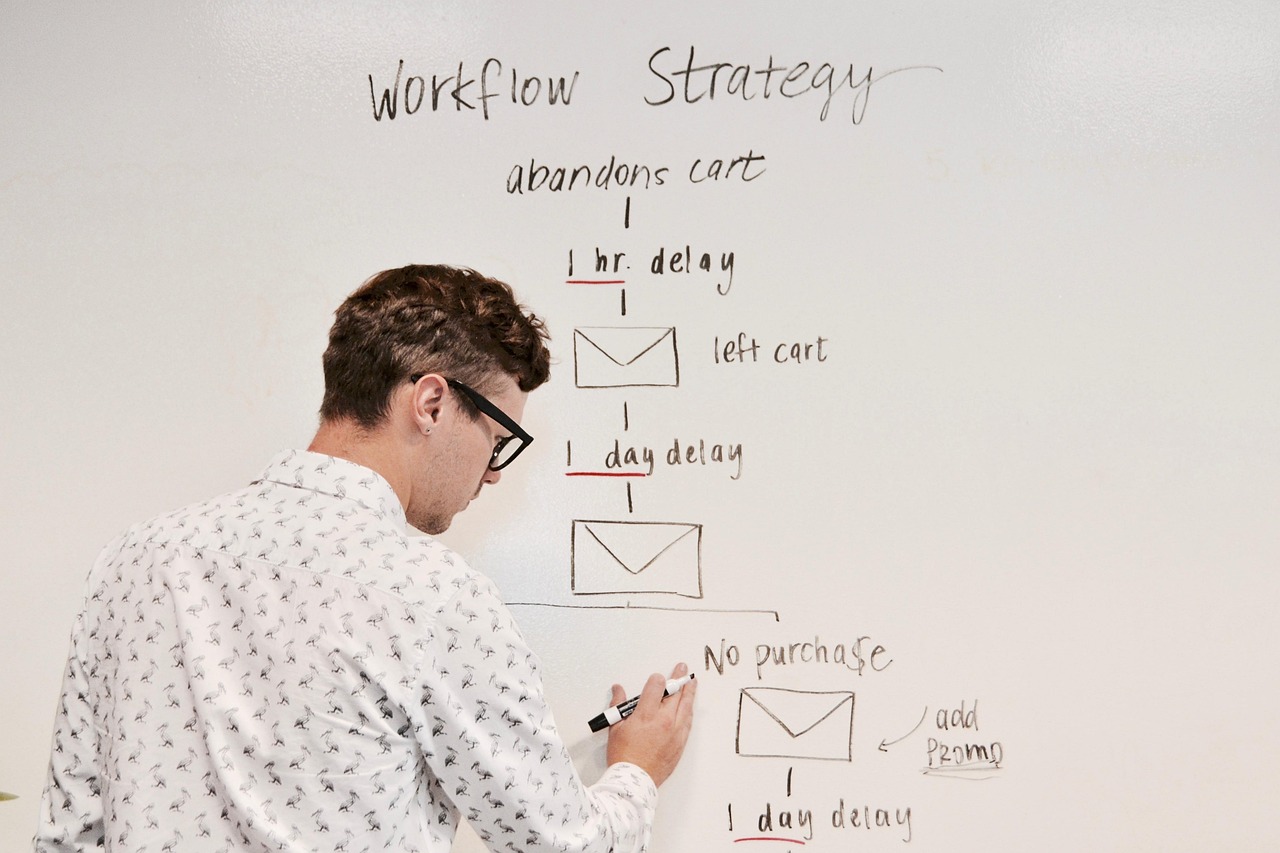
Why do some marketing campaigns convert while others, with similar budgets and similar offers, fall flat? Often the difference is not the channel or the design. It is psychology: how people decide whom to trust, what to believe and when to act. This guide explains the key psychological principles behind high-converting campaigns, with a focus on authority, and shows how to apply them ethically in your own marketing. Last updated: October 2026. Authority bias explained People tend to give more weight to the opinions of those they see as experts or trusted sources. This is known as authority bias. It is why a recommendation from a respected doctor, a well-known publication or an experienced practitioner carries more weight than the same statement from an unknown source. In marketing, authority shows up as press features, expert credentials, speaking appearances, published work and the endorsement of trusted voices. When prospects see these signals, they feel less risk and need less persuasion. Five psychological principles that drive conversions 1. Authority Show evidence of expertise: media features, qualifications, case-style explanations and a clear point of view. Earned coverage is particularly powerful because someone else vouched for you. Read why authority marketing outperforms paid ads for more. 2. Social proof People look to what others do when they are unsure. Testimonials, client logos, reviews and “as featured in” sections reassure visitors that others have chosen you and been satisfied. 3. Reciprocity When you give something useful first, such as a helpful guide, a free checklist or a genuinely valuable article, people feel more inclined to engage with you in return. 4. Consistency and commitment Small first steps make larger ones easier. A newsletter sign-up, a short call or a low-priced first offer builds momentum toward a bigger decision. 5. Clarity and reduced friction Confused people do not buy. Clear messages, simple pages and one obvious next step keep prospects moving forward instead of stalling. How to apply these principles in a campaign How PR amplifies the psychology PR combines several of these principles at once. A media feature is authority (a trusted outlet chose you), social proof (others are paying attention) and pre-qualification (the audience has already heard from you). That is why prospects who find you through earned media tend to arrive warmer. See how media placements generate high-quality leads. A general example Imagine two landing pages for the same consulting offer. The first opens with a list of features and a “buy now” button. The second opens with a short statement of who the consultant helps, shows where she has been featured, includes two honest client comments and offers a free guide before asking for a call. Visitors to the second page feel safer and more informed, so more of them take the next step. This is a general illustration, not a specific client case, but it shows how psychology shapes outcomes. Use persuasion ethically These principles work best, and last longest, when they are based on truth. Do not invent credentials, fake testimonials or manufacture false urgency. Audiences notice, and trust, once lost, is expensive to rebuild. Authority built on real expertise and real proof is both more effective and more sustainable. Frequently asked questions What is authority bias in marketing? It is the tendency of people to trust and follow the views of those they perceive as experts or credible sources. Which psychological principle matters most? It depends on your audience and offer, but for high-ticket services, authority and social proof are usually the foundation. Can small brands use these principles? Yes. Clear positioning, honest proof and useful content cost far less than large campaigns and work at any size. Final thoughts High-converting campaigns respect how people actually decide. Build authority, show proof, give value first and make the next step easy. If you want help building the credibility that makes campaigns convert, see our services or contact our team. About the author: Alice Wayne is Chief Outreach Officer at The Stellars Agency, where she helps founders, coaches and creators build the credibility that makes their marketing convert.

SEO for Personal Brands: How Media Features Improve Google Rankings
If you want to show up on Google, links and credibility matter. For personal brands, one of the most effective ways to earn both is through media coverage. When established publications, podcasts and industry sites mention you and link to your website, search engines gain stronger signals that you are a real, trusted source. This guide explains how media features support SEO for personal brands and how to make the most of each one. Last updated: October 2026. How media features help your Google visibility No one can guarantee rankings, but several well-understood effects make media coverage useful for search. 1. Backlinks from trusted sites When a respected website links to yours, it acts as a vote of confidence. Links from relevant, established sources tend to carry more weight than many links from low-quality sites. A feature that includes a link to your website can support the pages you most want to rank. 2. Stronger results for your name Prospects often search your name before contacting you. Interviews, articles and podcast pages on credible sites can appear in those results, giving visitors proof of your expertise before they even open your website. 3. Signs of experience and trustworthiness Google looks for evidence of experience, expertise, authoritativeness and trustworthiness, especially on topics where people make important decisions. Consistent mentions from other reputable sources help demonstrate that you are who you say you are. 4. Referral traffic and brand searches People who discover you through a feature often search for you later. Rising searches for your name and brand are a healthy signal that your reputation is growing. How to get SEO value from every feature Choosing placements that help SEO Focus on relevance first. A feature on a site your buyers read, in your field, is more valuable than a random mention on an unrelated site. Podcasts with their own websites, industry publications and respected blogs often provide both a link and an audience. Learn more in how media placements generate high-quality leads. A general example Imagine a nutrition consultant whose name search currently shows only her social profiles. Over several months she appears on a few relevant podcasts, contributes a guest article to an industry site and publishes her own article on each topic. Search results for her name now show these features alongside her website, and visitors arrive already trusting her. This is a general illustration, not a specific client case, and results vary, but it shows how coverage and content build search presence together. Mistakes to avoid Frequently asked questions Do media features really improve Google rankings? They can support them by earning credible links and strengthening your reputation online, but no feature guarantees a ranking. Do I need a link for a feature to be valuable? No. Even without a link, a feature builds credibility and can appear in searches for your name. How long does it take to see an effect? Often a few months, and it tends to grow as you collect more relevant features. To track it, read how to measure the success of PR campaigns. Final thoughts For personal brands, SEO and PR work best together: media features earn trust and links, and your content and website turn that attention into enquiries. If you want to build a stronger presence on Google through earned media, see our services or get in touch. You may also like why authority marketing outperforms paid ads. About the author: Alice Wayne is Chief Outreach Officer at The Stellars Agency, where she helps founders, coaches and creators earn media features that build credibility and search visibility.

Social Media Marketing vs PR: Which Builds Long-Term Brand Equity?
Social media and PR both build visibility, but they build different things. Social media gives you a channel you control and a direct line to your audience. PR earns you credibility through other people’s platforms. For founders, coaches and personal brands deciding where to invest limited time and budget, the real question is which one builds lasting brand equity, and how they work together. Last updated: October 2026. What is brand equity? Brand equity is the extra value your name carries because people know, trust and prefer you. It is why a client will choose you over an equally qualified competitor, and why they may accept a higher price. It is built over time through recognition, reputation and proof. What social media marketing does well The limits: You depend on platform algorithms, reach can drop without warning, and posts quickly disappear from view. Because you are the one promoting yourself, social content alone carries less credibility than being featured by others. What PR does well The limits: PR takes longer to produce results, requires a clear angle and cannot be switched on and off instantly. You also do not control exactly how the media presents you. Side-by-side comparison Control: Social media gives you full control, while PR depends on editors and hosts. Credibility: PR is generally stronger because others vouch for you. Speed: Social media moves faster, and PR builds more slowly. Longevity: PR content tends to last longer, while social posts fade quickly. Cost over time: Both need ongoing effort, but PR assets keep working after publication. Which builds long-term brand equity? For lasting equity, PR usually has the edge because it creates credibility and permanent proof. Social media is the best place to nurture that attention, show your personality and keep people engaged. The strongest brands treat them as one system: PR earns the trust, and social media spreads and sustains it. How to combine them A general example Imagine a consultant who posts daily on social media and gets steady likes but few enquiries. She adds PR: two relevant podcast interviews and an expert quote in an industry article. She shares clips from each on social media and links to them on her website. Her posts now carry visible proof, her name search shows credible results, and prospects mention the features on calls. This is a general illustration, not a specific client case, but it shows how the two channels reinforce each other. Frequently asked questions Should I stop using social media if I do PR? No. Keep a consistent, focused social presence, since it helps people verify and follow you after they discover you through media. Which is better for a new brand? Start with a clear message on one social platform, then add PR as soon as you have a story and an offer you can explain. The earlier you start earning proof, the sooner it compounds. Which is cheaper? It varies, but social media costs mainly time, while PR often needs outreach effort or professional help. Compare the two by cost per qualified enquiry over several months. Final thoughts Social media builds familiarity, and PR builds credibility. Together they build brand equity that lasts. For more on why earned trust beats rented attention, read why authority marketing outperforms paid ads, and to talk about your own plan visit our services or contact us. About the author: Alice Wayne is Chief Outreach Officer at The Stellars Agency, where she helps founders, coaches and creators combine PR and social media into one growth strategy.
Influencer Marketing in 2026: What Brands Must Know
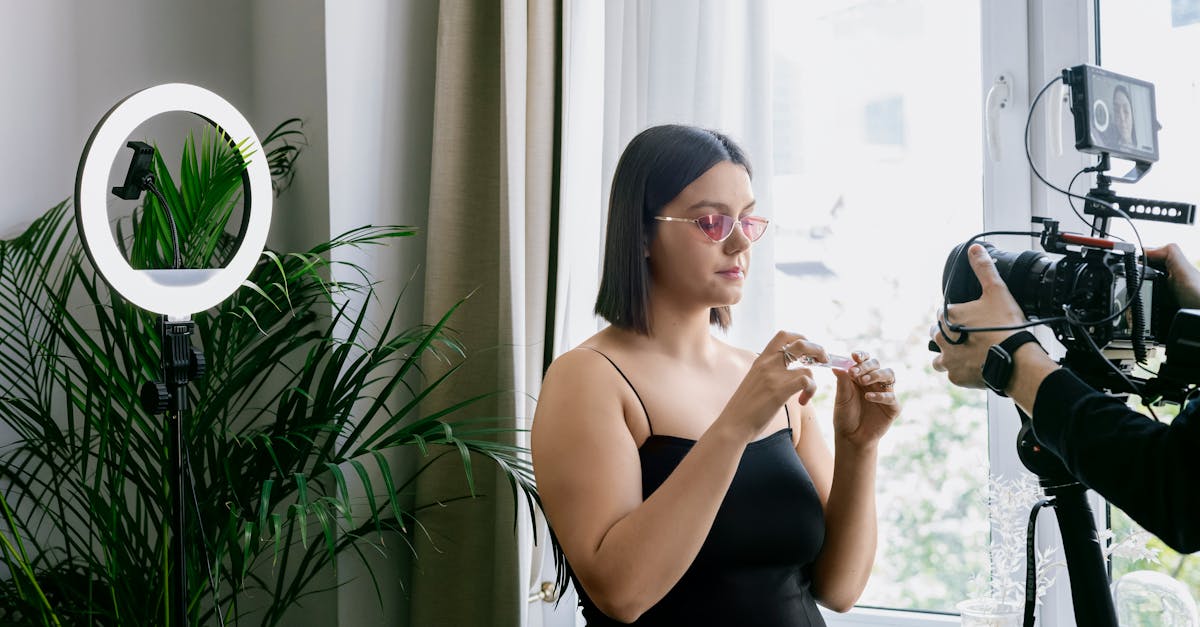
Influencer marketing is no longer an experiment. Most brands now know it can work, but fewer know how to do it well. Audiences have become better at spotting forced sponsorships, so success depends less on how many people an influencer reaches and more on whether the audience genuinely trusts them. This guide covers what brands should know about influencer marketing in 2026, from choosing the right creators to measuring results. Last updated: October 2026. What is influencer marketing? Influencer marketing means partnering with creators who have the trust of a specific audience, so that their recommendation introduces your brand to people who are likely to care. The creator might share your product, review your service, co-create content or speak about your brand on their channels. Key principles for 2026 1. Trust matters more than follower count A creator with a smaller, highly engaged audience that listens to their advice can outperform a celebrity with millions of passive followers. Look at the quality of comments, how followers respond to past recommendations and whether the audience matches your buyers. 2. Micro and niche creators are valuable Smaller creators often have close, topic-specific communities. For a brand with a defined audience, a handful of relevant niche creators can be more effective, and more affordable, than one large name. Read our take on authenticity over popularity in influencer marketing. 3. Long-term partnerships beat one-off posts Audiences believe a creator who uses a product repeatedly more than one who posts about it once. Ongoing relationships also let creators learn your offer properly and present it naturally. 4. Transparency is essential Sponsored content should be clearly disclosed in line with the advertising rules in your country and platform. Honest disclosure protects both the creator and your brand, and audiences generally respond better to openness than to hidden promotion. 5. Video and storytelling lead Short and long video, live sessions and podcast-style conversations let creators show real use and personality. Brands that give creators room to tell the story in their own voice usually see better engagement than those that supply rigid scripts. How to run an influencer campaign step by step Influencer marketing and PR work together Influencer marketing builds reach and social proof within communities, while PR builds credibility in media. When a creator mentions you and a respected outlet also features you, each strengthens the other. For the bigger picture, see social media marketing vs PR and why authority marketing outperforms paid ads. A general example Imagine a small skincare brand deciding between one famous influencer and eight small creators who each talk regularly about sensitive skin. It chooses the small group, sends products with honest briefs and asks each creator to share real experience over several weeks. Followers see consistent, believable recommendations and the brand gets feedback it can use. This is a general illustration, not a specific client case, but it reflects the shift toward trust-led partnerships. Common mistakes Frequently asked questions How do I choose the right influencer? Prioritise audience fit, engagement quality and past authenticity over follower count. Is influencer marketing worth it for small businesses? It can be, particularly with micro or niche creators whose communities match your customers, and when you start with a small test. How should I measure success? Track the goal you set: for example sign-ups from a unique link, discount code use, enquiries that mention the creator and branded search growth. Final thoughts In 2026, influencer marketing works best when it is built on trust, fit and transparency. If you want help combining creator partnerships with media outreach, see our services or contact our team. About the author: Alice Wayne is Chief Outreach Officer at The Stellars Agency, where she helps brands build credibility through media outreach and trusted partnerships.

Why Authority Marketing Outperforms Paid Ads in 2026
Paid advertising rents attention. The moment the budget stops, the attention stops with it. Authority marketing works the other way around: you earn credibility through expertise, media features and a clear point of view, and that credibility keeps working long after a campaign ends. In 2026, with ad costs rising and audiences growing sceptical, more founders, coaches and consultants are shifting part of their marketing effort from buying attention to earning trust. Last updated: October 2026. What is authority marketing? Authority marketing is the practice of positioning yourself or your brand as a recognised expert in a specific field, so that the right people seek you out instead of being chased. It rests on three things: The main tools are public relations, podcast and media interviews, thought leadership content and speaking. Our guide on how strategic PR takes you from invisible to industry leader shows how these pieces fit together. Authority marketing vs advertising The two are not enemies, but they behave very differently. Advertising buys attention on a platform you rent. Results appear quickly, but they stop when spending stops, the cost per customer tends to climb over time, and audiences often distrust what they know is paid. Authority marketing earns attention through credibility. It builds more slowly, but every feature, interview and published piece stays discoverable, so the value compounds. Because a third party chose to feature you, viewers treat it as an endorsement rather than a pitch. In short: ads are a cost that ends, authority is an asset that grows. Why authority is winning in 2026 How to start building authority Pick one specialism Generalists blend in. Decide the single problem you want to be known for solving and say it consistently. Publish your point of view Write and speak about the questions your buyers ask, with your own opinions and examples. Our article on content marketing that builds trust explains how. Earn third-party proof Pursue podcasts, publications, expert quotes and TV segments that your buyers actually follow. Read how media placements generate high-quality leads for how this turns into enquiries. Show your proof everywhere Add an “As featured in” section to your website, share clips and mentions, and reference them in your sales conversations. Measure and refine Track enquiries that mention a feature, branded search growth and invitations that arrive after you are published. See how to measure PR success for the numbers worth watching. Should you stop running ads? Not necessarily. Ads can be useful for promoting a specific offer or reaching a defined audience quickly. The mistake is relying on ads alone. A balanced approach uses authority as the foundation, so that every ad you run lands on a brand people already respect, and converts better as a result. Frequently asked questions Is authority marketing the same as PR? PR is one of its main tools, but authority marketing also includes content, speaking and consistent positioning. How long does it take to see results? Expect a few months of steady effort before the effects are clear. The benefit is that results tend to grow rather than reset each month. Can small businesses and personal brands do this? Yes. A narrow area of expertise and a clear message matter far more than a big budget or a big audience. Final takeaway Authority compounds. Ads expire. Smart brands invest in positioning so that trust builds up over time and works for them even when they are not spending. If you want help building yours, explore our services or get in touch. About the author: Alice Wayne is Chief Outreach Officer at The Stellars Agency, where she helps founders, coaches and creators build authority through media outreach and positioning.
The Ultimate Guide to Lead Generation for Coaches & Consultants
If you are a coach or consultant, your reputation is your biggest asset. Yet most experts rely on social media alone, post consistently and still struggle to turn followers into paying clients. The reason is simple: visibility is not the same as authority. This guide walks through a practical lead generation system for coaches and consultants that builds trust first, so the leads you attract are ready to talk. Last updated: October 2026. Why visibility alone does not generate clients Posting every day can grow an audience, but an audience is not a pipeline. Followers scroll past, compare you with dozens of similar coaches and rarely know why you are the right choice. High-ticket buyers want proof, not content volume. They look for signals such as who has featured you, what you are known for and whether other people trust you. Step 1: Build authority before chasing traffic Before you invest in funnels or ads, make it obvious what you do and who you do it for. Choose a narrow specialism, such as “leadership coaching for first-time managers” rather than “life and business coaching”. A clear specialism makes you easier to remember, easier to refer and easier to pitch to podcast hosts and editors. Step 2: Create a clear, simple offer Leads convert when they understand exactly what they would get. Write your offer in plain language: who it is for, the problem it solves, what the process looks like and what result they can expect. Avoid vague promises. A prospective client should be able to explain your offer to a friend after one read. Step 3: Earn third-party proof through PR This is the step most coaches skip. Appearing on podcasts, being quoted in articles and speaking at events gives you credibility you cannot create by describing yourself. When a prospect searches your name and finds real features, their doubts shrink before the first call. Our guide on how media placements generate high-quality leads explains the mechanism in detail. Step 4: Publish content that answers buyer questions List the ten questions prospects ask before they hire you and answer each one in an article, video or post. This captures people who are actively searching for help and gives hosts and journalists material to find. See content marketing for trust and engagement for a practical plan. Step 5: Give every visitor a clear next step Every page, post and feature should point to one action: book a discovery call, download a resource or join your email list. A simple lead magnet, such as a short checklist or guide that solves one problem, lets people join your list before they are ready to book. Step 6: Follow up consistently Most leads are not ready on day one. A short email sequence that shares helpful ideas, a client-style scenario and an invitation to talk keeps you in mind until the timing is right. A simple scenario Imagine a career coach who used to post daily on social media and received occasional enquiries. She chooses one specialism, rewrites her offer, publishes answers to the ten questions clients ask and pitches herself to relevant podcasts. Over a few months, her calls change: prospects arrive having heard her speak, ask better questions and spend less time debating whether she is credible. This is a general illustration, not a specific client case, but it reflects how authority tends to shorten the sales cycle. Common mistakes to avoid Frequently asked questions What is the best lead generation method for coaches? There is no single best method, but combining clear positioning, earned media and helpful content tends to produce more qualified leads than any one channel alone. Do I need a big following to get leads? No. A focused specialism and credible proof matter more than follower count. How long does it take to get consistent leads? Most coaches should expect a few months before enquiries become steady, though podcast features can bring responses much sooner. Final thoughts Lead generation for coaches and consultants works best when trust comes first. Build authority, make your offer clear and give people an easy next step. If you want support with media outreach and positioning, see our services or contact our team. You may also like why authority marketing outperforms paid ads. About the author: Alice Wayne is Chief Outreach Officer at The Stellars Agency, where she helps coaches, consultants and founders earn media features and attract better-qualified clients.