
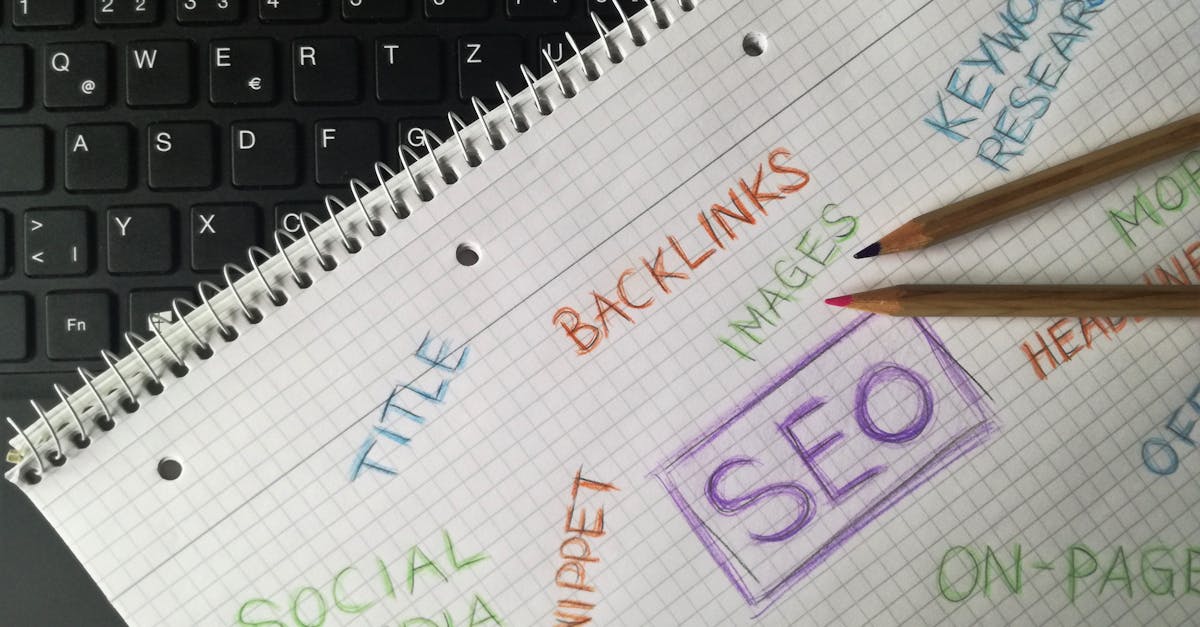
If you want to show up on Google, links and credibility matter. For personal brands, one of the most effective ways to earn both is through media coverage. When established publications, podcasts and industry sites mention you and link to your website, search engines gain stronger signals that you are a real, trusted source. This guide explains how media features support SEO for personal brands and how to make the most of each one. Last updated: October 2026. How media features help your Google visibility No one can guarantee rankings, but several well-understood effects make media coverage useful for search. 1. Backlinks from trusted sites When a respected website links to yours, it acts as a vote of confidence. Links from relevant, established sources tend to carry more weight than many links from low-quality sites. A feature that includes a link to your website can support the pages you most want to rank. 2. Stronger results for your name Prospects often search your name before contacting you. Interviews, articles and podcast pages on credible sites can appear in those results, giving visitors proof of your expertise before they even open your website. 3. Signs of experience and trustworthiness Google looks for evidence of experience, expertise, authoritativeness and trustworthiness, especially on topics where people make important decisions. Consistent mentions from other reputable sources help demonstrate that you are who you say you are. 4. Referral traffic and brand searches People who discover you through a feature often search for you later. Rising searches for your name and brand are a healthy signal that your reputation is growing. How to get SEO value from every feature Choosing placements that help SEO Focus on relevance first. A feature on a site your buyers read, in your field, is more valuable than a random mention on an unrelated site. Podcasts with their own websites, industry publications and respected blogs often provide both a link and an audience. Learn more in how media placements generate high-quality leads. A general example Imagine a nutrition consultant whose name search currently shows only her social profiles. Over several months she appears on a few relevant podcasts, contributes a guest article to an industry site and publishes her own article on each topic. Search results for her name now show these features alongside her website, and visitors arrive already trusting her. This is a general illustration, not a specific client case, and results vary, but it shows how coverage and content build search presence together. Mistakes to avoid Frequently asked questions Do media features really improve Google rankings? They can support them by earning credible links and strengthening your reputation online, but no feature guarantees a ranking. Do I need a link for a feature to be valuable? No. Even without a link, a feature builds credibility and can appear in searches for your name. How long does it take to see an effect? Often a few months, and it tends to grow as you collect more relevant features. To track it, read how to measure the success of PR campaigns. Final thoughts For personal brands, SEO and PR work best together: media features earn trust and links, and your content and website turn that attention into enquiries. If you want to build a stronger presence on Google through earned media, see our services or get in touch. You may also like why authority marketing outperforms paid ads. About the author: Alice Wayne is Chief Outreach Officer at The Stellars Agency, where she helps founders, coaches and creators earn media features that build credibility and search visibility.