
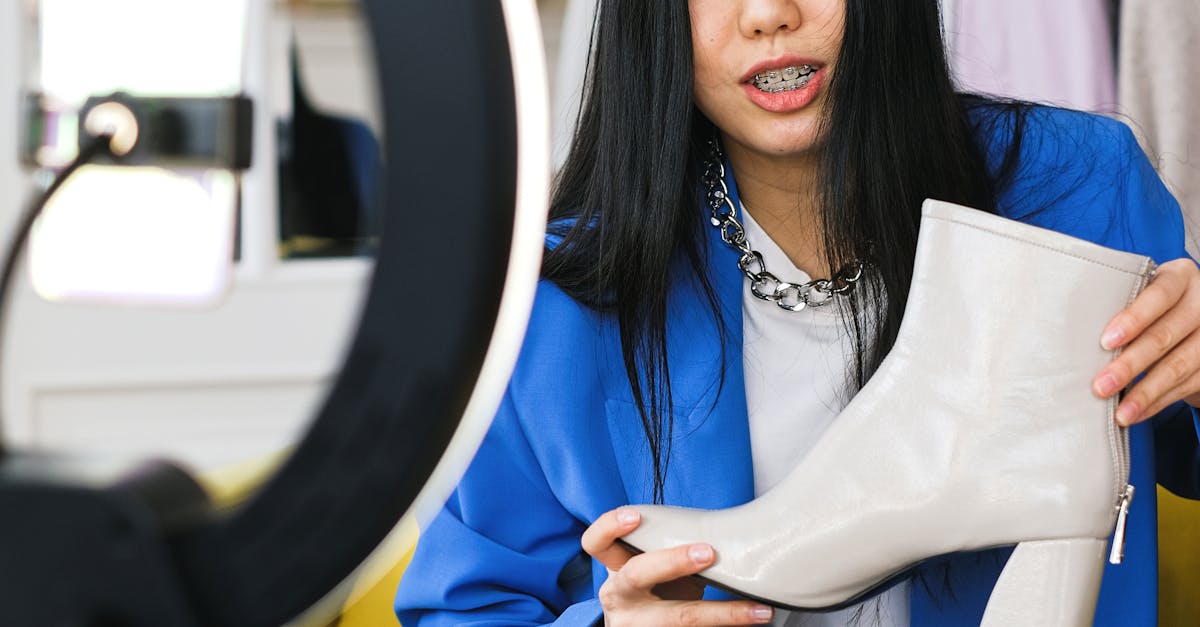
For years, influencer marketing was measured by one number: followers. Bigger audiences meant bigger deals. That is changing. Audiences have learned to tell the difference between a genuine recommendation and a paid script, and brands are learning that reach without trust rarely turns into customers. This article looks at why authenticity is replacing popularity as the key measure in influencer marketing, and how brands can adapt. Last updated: October 2026. Why popularity alone is no longer enough A large following can look impressive, but several problems often sit behind the number: What authenticity looks like An authentic partnership is one where the audience believes the creator genuinely uses and values what they are sharing. Signs of authenticity include: Why authenticity works better How brands can shift from popularity to authenticity Choose fit over fame Evaluate a creator’s values, topics and audience behaviour, not just numbers. Read their comments, look at how they handled past partnerships and check whether followers respond to their recommendations. Build relationships, not transactions Get to know creators before pitching. Share your product or service early, listen to their feedback and invite them into longer collaborations. Give creative freedom Share your key message and boundaries, then let the creator communicate in their own way. Audiences respond to personality, not scripts. Be open about the partnership Clear disclosure, in line with the rules in your country and platform, protects trust for both sides. Measure what matters Look beyond impressions: track enquiries, sign-ups, code use and the quality of comments and conversation. For a framework, see how to measure PR success. The connection to authority and PR Authenticity is the same principle that drives successful PR: audiences trust what is earned, not what is bought. A creator who genuinely backs you and a respected outlet that features you both act as credible third parties. Combine them for stronger results. Read more in why authority marketing outperforms paid ads and our overview of influencer marketing in 2026. A general example Imagine a fitness app choosing between two creators. One has a very large following and posts sponsored content daily across unrelated brands. The other has a smaller community of people who follow her for honest training advice and who have asked her about apps before. The app works with the second creator over several months, and her honest feedback shapes both the content and the product. This is a general illustration, not a specific client case, but it shows why believable recommendations tend to outperform high reach alone. Common mistakes Frequently asked questions Are big influencers still worth using? They can be, especially for broad awareness. The key is to check audience fit and authenticity, not to assume size equals impact. How do I know if an influencer is authentic? Look at the consistency of their topics, how they discuss past partnerships and how their audience responds in the comments. Does authenticity mean less control for brands? Slightly, but you gain credibility. Clear briefs and agreed boundaries let you protect your message while allowing the creator’s voice to come through. Final thoughts Popularity can open the door, but authenticity is what makes people act. Brands that choose creators for fit, build real relationships and measure meaningful results will get more from influencer marketing. To discuss how to build trust through media and partnerships, see our services or contact our team. About the author: Alice Wayne is Chief Outreach Officer at The Stellars Agency, where she helps brands build credibility through authentic media outreach and partnerships.